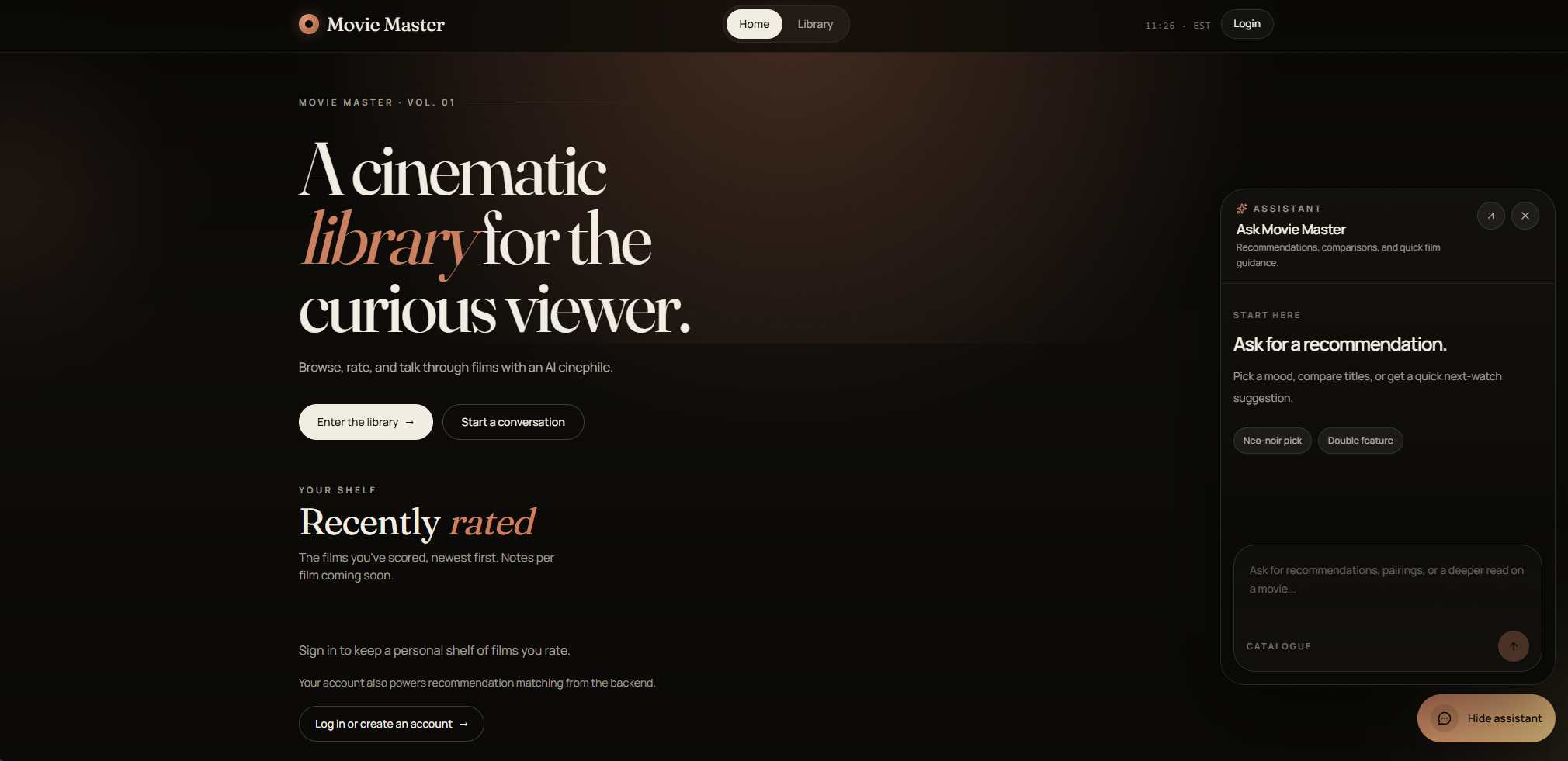
Portfolio

Blake Rossi

Full-stack · Game Dev · Product-minded

RIT Game Design and Development major. I build AI-powered platforms, ship full-stack tooling — including work at the NHL — and make games that are genuinely fun to play.

Scroll for work
SvelteKit

Lionheart

Developer · AI-Powered Athletic Intelligence

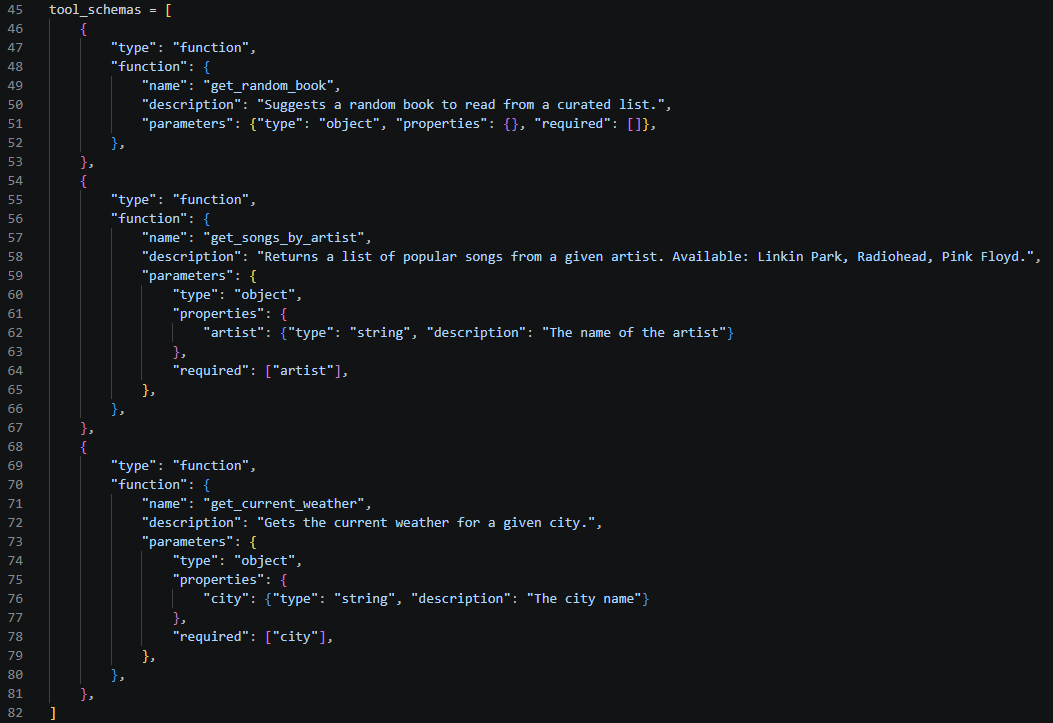
A comprehensive athletic intelligence platform designed to centralise, contextualise, and analyse data influencing athletic performance. Unlike traditional fitness apps, Lionheart captures training, lifestyle, recovery, and subjective experience in a unified system — powered by AI to surface insights no single metric can reveal.

TypeScriptC#/.NETEntity Framework Core +3
2025–Present
SQL

Area Code Blackout Lookup

IT Development Intern · National Hockey League

A full-stack internal lookup tool built during an internship at the NHL. The tool provides fast, accurate blackout-status queries via custom Web API endpoints — replacing a sluggish legacy workflow and improving daily data retrieval for operations staff.

TypeScriptJavaScriptHTML/CSS +2
Summer 2024
Godot 4.4

RESET

Programmer & Level Designer · Tower Defense Roguelike

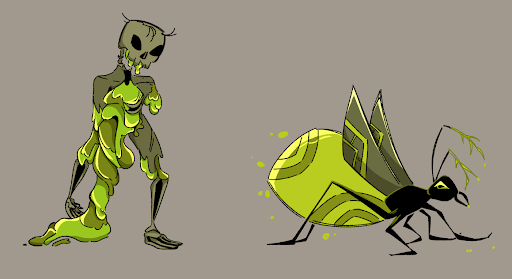
A Tower Defense Roguelike made in Godot 4.4 where the player, a wizard-engineer, defends their camp from waves of plague-mutated monsters. Unlike other Tower Defense games, RESET has no unique tower types — tower abilities are determined through Aspects, modular upgrades that players earn for defeating waves. Aspect order matters, so choosing how to lay out your Aspects in the tower is important. I worked as a programmer and level designer, building out map generation, tower placement systems, and wave progression.

C#.NETGame Development +2
2025
JavaScript

Web Development Fun

IGME-330 Coursework · RIT

A collection of interactive web projects built during IGME-330 at RIT — Rich Media Web App Development. Projects covered the Canvas API, Web Audio API, procedural generation, custom map visualisation, and JavaScript module bundling — each one a focused deep-dive into a different corner of the browser platform.

TypeScriptHTML/CSSCanvas API +5
2024
Unity

Astro Outlaw

Planet Stage Developer & UI · Team Indiecisive

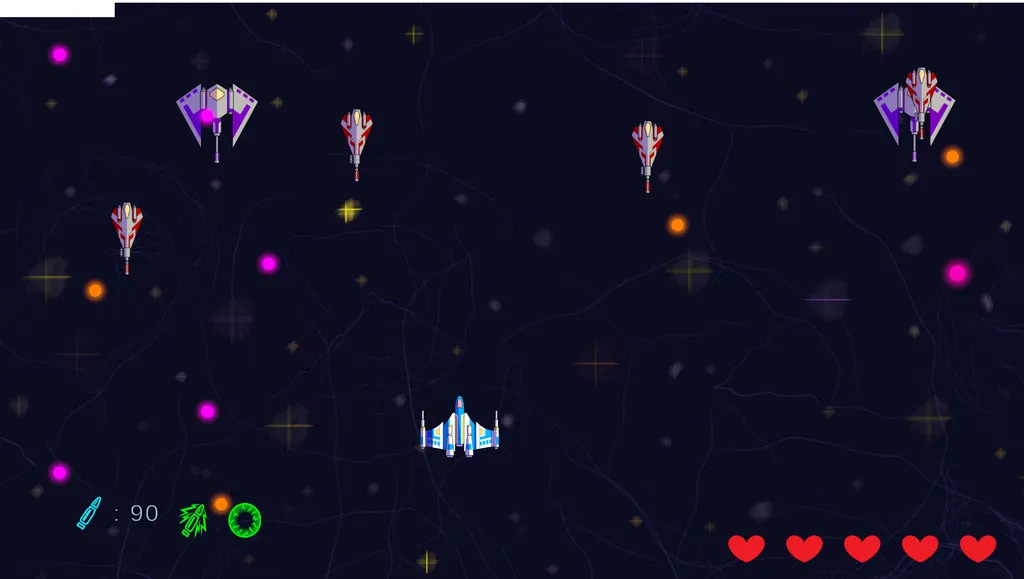
A space-pirate adventure game built by a six-person team. Players explore alien planets to gather resources and upgrade their ship, then fight through waves of enemies in bullet-hell-style space combat to reach the ultimate treasure.

C#Game Development2D +1
Fall 2024
SvelteKit

Perfect Powerlifting

Founder & Developer · Coaching Brand & E-Commerce Platform

A full-stack coaching brand and e-commerce site built to scale a personal powerlifting coaching operation. What started as helping teammates on RIT's powerlifting team grew to coaching 12 athletes simultaneously — demanding a real brand, real infrastructure, and real products. Perfect Powerlifting is the result.

TypeScriptTailwind CSSStripe +3
Summer 2025
Unity

No Signal

Solo Developer · 2D Vertical Climber

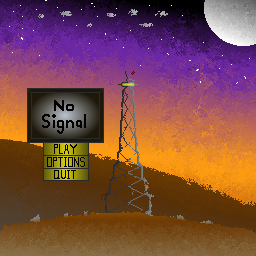
A fast-paced vertical climbing game where players race through hazardous, rhythm-synced obstacle courses. Built as a solo prototype exploring tight twitch-based controls, procedural level generation, and satisfying feedback loops.

C#Game Development2D +1
2025
2025–Present
SvelteKitTypeScriptC#/.NETEntity Framework CoreSQLiteOpenAITailwind CSS

Lionheart

Developer · AI-Powered Athletic Intelligence

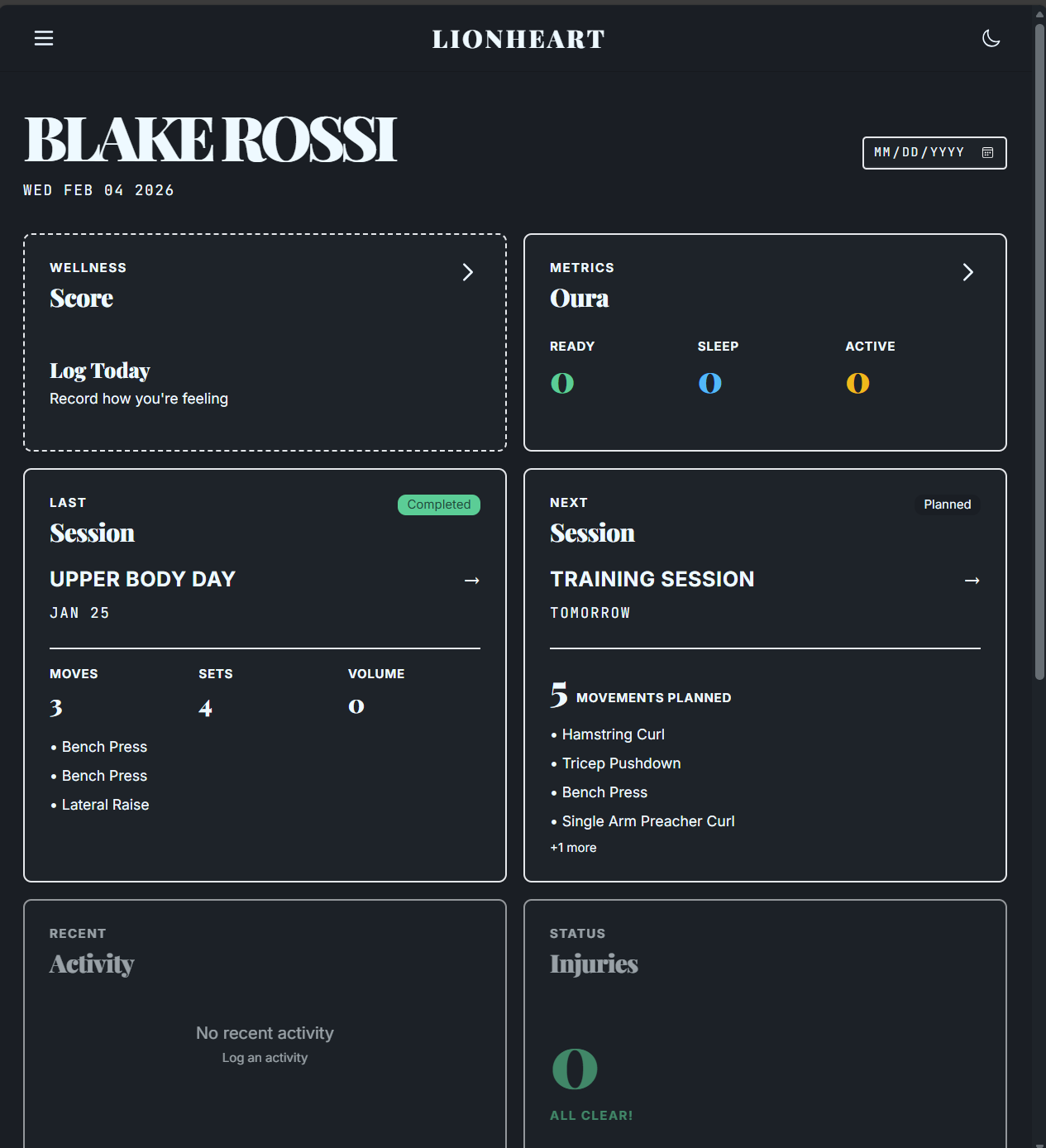
A comprehensive athletic intelligence platform designed to centralise, contextualise, and analyse data influencing athletic performance. Unlike traditional fitness apps, Lionheart captures training, lifestyle, recovery, and subjective experience in a unified system — powered by AI to surface insights no single metric can reveal.

  • Unified data aggregation across training logs, wearables, injury notes, and journaling
  • AI / LLM integration for intelligent analysis over full athlete context

  • Backend APIs in C#/.NET with Entity Framework Core and SQLite
  • Clean SvelteKit + TypeScript frontend styled with Tailwind CSS & DaisyUI
  • Holistic athlete modelling with semantically meaningful data structures
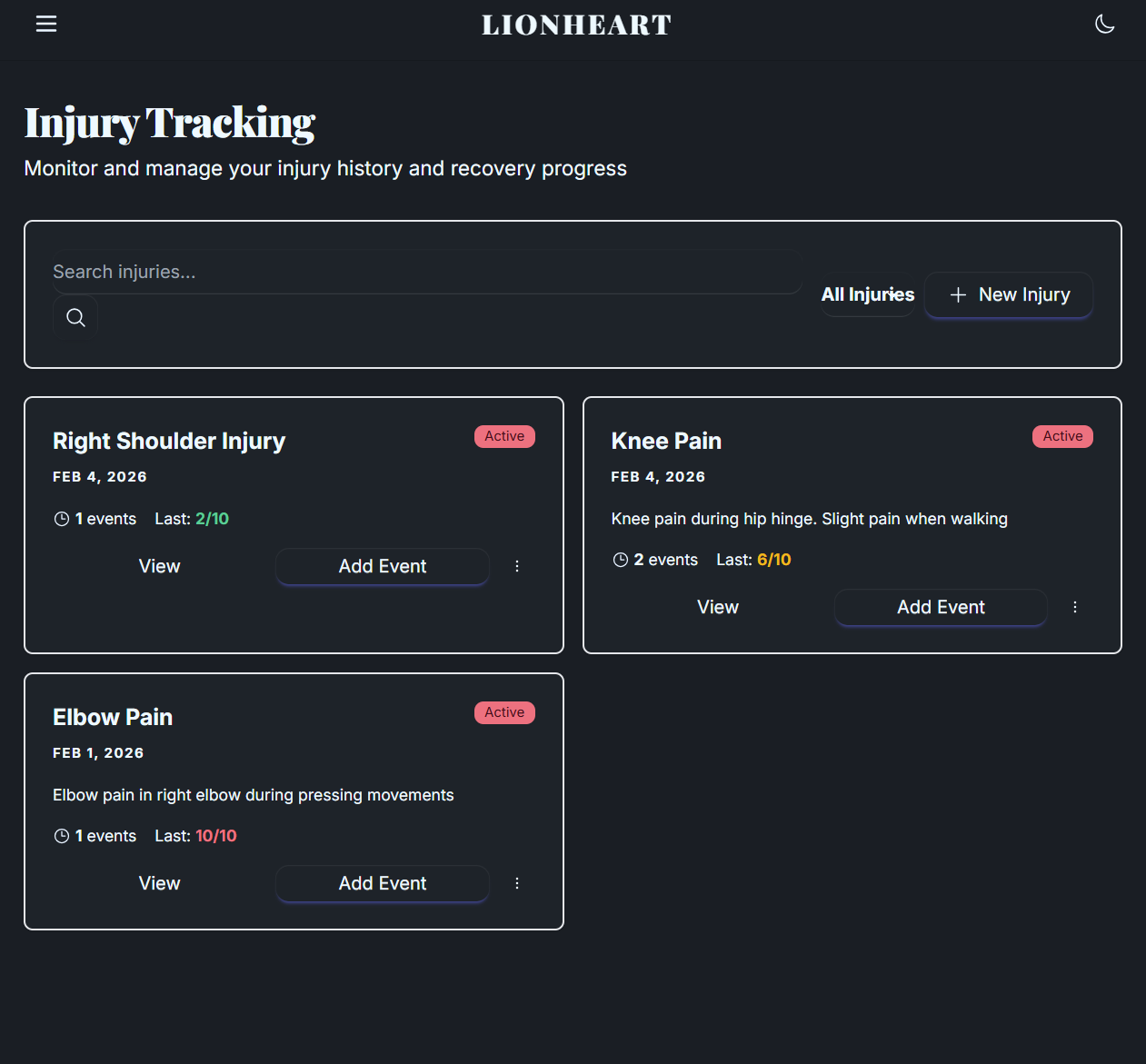
Training & Activity Logs

Training & Activity Logs

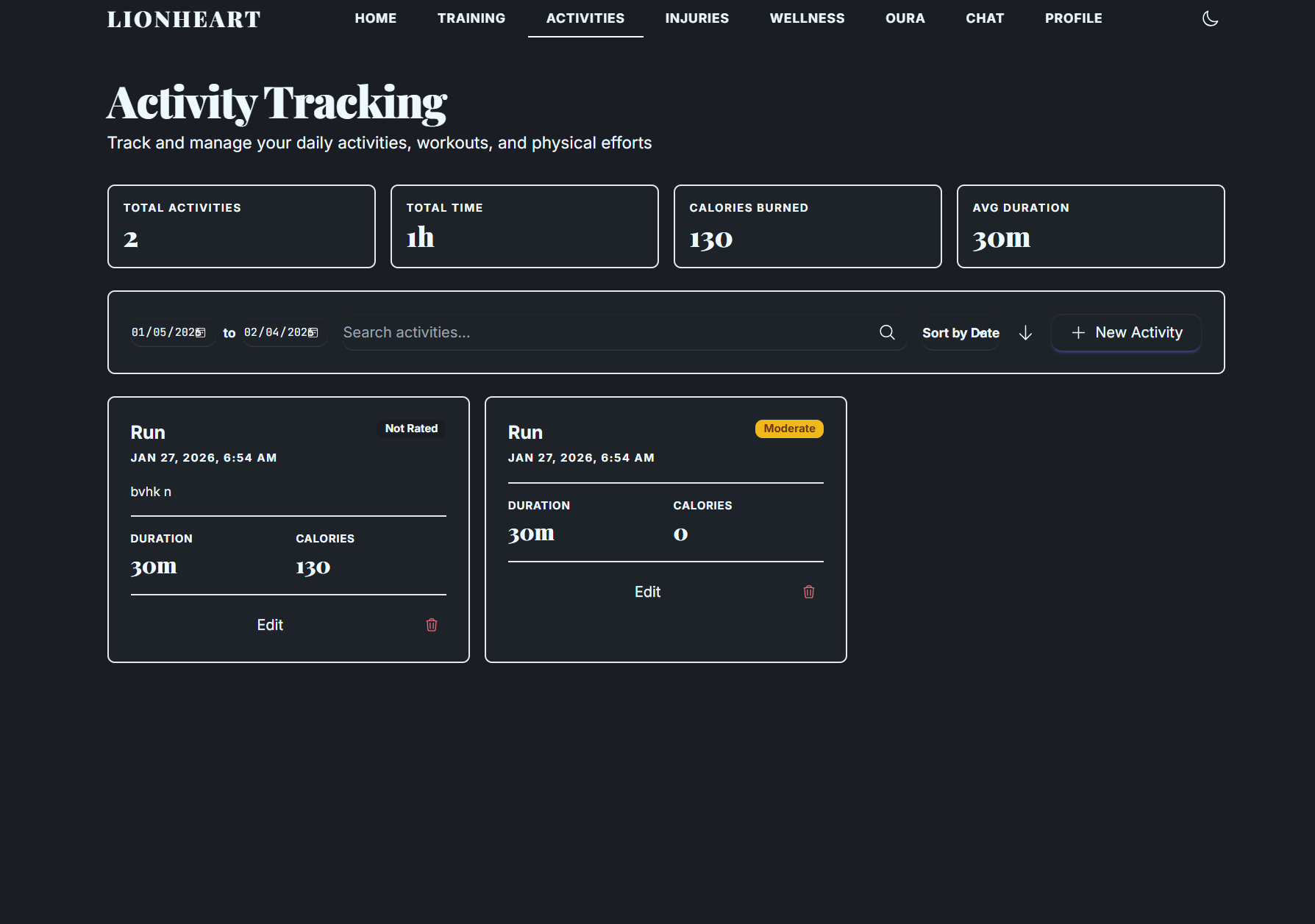
Every workout, rep, and recovery session is captured in a flexible logging system. Lionheart aggregates entries from manual input and connected wearables into a single timeline — giving athletes a clear, chronological view of their physical output without jumping between apps.

AI-Powered Insights

AI-Powered Insights

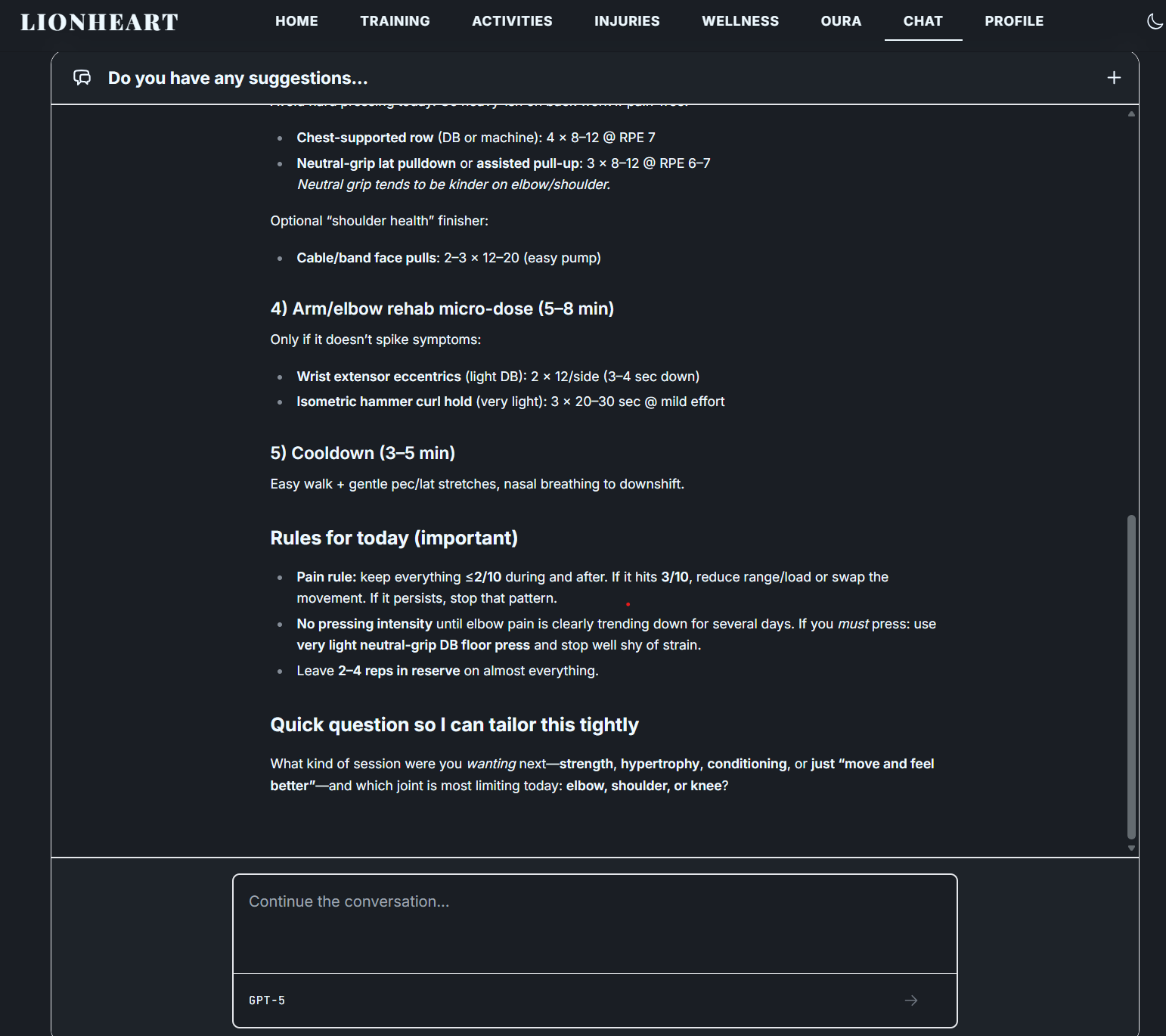
The chat interface connects directly to OpenAI's API, letting athletes ask natural questions about their training. The model considers full context — logs, injury notes, sleep, and mood — to surface insights that no single metric could reveal on its own.

Recovery & Injury Tracking

Recovery & Injury Tracking

When injuries happen, Lionheart doesn't disappear. The injury module lets athletes log incidents, track recovery milestones, and contextualise how setbacks affect the broader training arc — keeping the long-term picture intact even during downtime.

Personal Experience

I joined a friend on the app after we'd brainstormed it for over a year. I learned everything my partner had already built and began work on the frontend, eventually touching every part of the project and implementing new ideas like an AI-generated training program. We worked with a professor from RIT whom we met with weekly; he mentored us on packaging Lionheart as an industry-ready product and pushed us to gather feedback throughout the process.

Summer 2024
SQLTypeScriptJavaScriptHTML/CSSWeb API.NET

Area Code Blackout Lookup

IT Development Intern · National Hockey League
A full-stack internal lookup tool built during an internship at the NHL. The tool provides fast, accurate blackout-status queries via custom Web API endpoints — replacing a sluggish legacy workflow and improving daily data retrieval for operations staff.

  • Designed and implemented RESTful Web API endpoints for blackout data
  • Built a responsive front-end with real-time query feedback
  • Worked across a SQL + TypeScript / JavaScript stack end-to-end
  • Delivered a complete, production-ready solution within the internship timeline
The Lookup Interface

The Lookup Interface

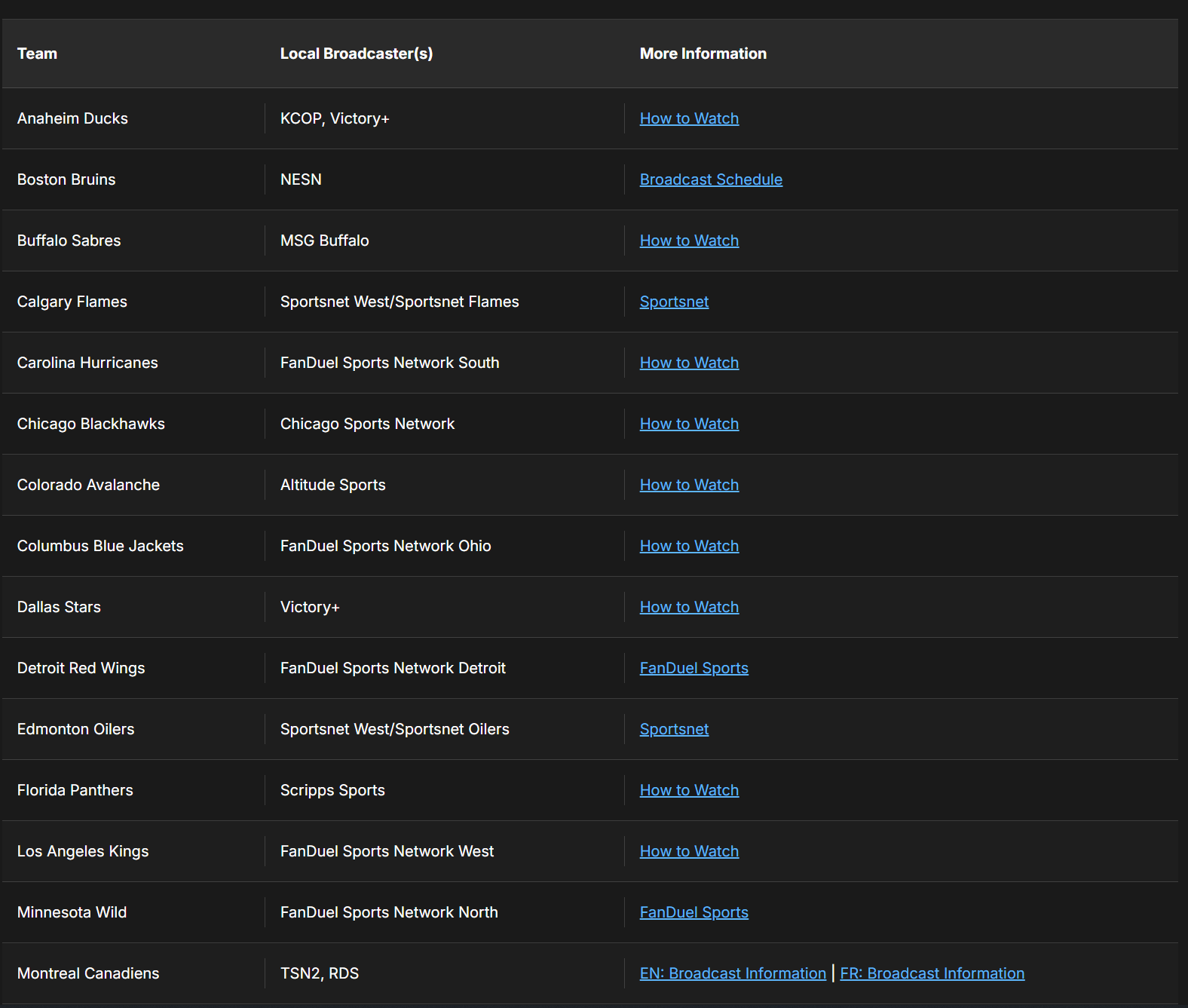
The front-end delivers instant blackout-status queries by area code. Built with a clean, responsive layout and real-time feedback, it replaced a sluggish internal workflow — giving NHL operations staff fast, accurate results with minimal friction.

Results & Data Flow

Results & Data Flow

Each query hits the RESTful Web API and resolves in milliseconds. The results panel surfaces blackout status with clear formatting — designed for daily, high-volume use. The backend in .NET with SQL ensures reliable data integrity across the board.

Professional Experience

Professional Experience

During the NHL internship I learned a great deal about working in a professional environment. I frequently had to learn new tools and workflows on the fly and coordinate with multiple teams — operations, data, and engineering — to gather requirements, iterate quickly, and deliver reliable tooling under real-world constraints.

2025
Godot 4.4C#.NETGame DevelopmentRoguelikeTower Defense

RESET

Programmer & Level Designer · Tower Defense Roguelike

A Tower Defense Roguelike made in Godot 4.4 where the player, a wizard-engineer, defends their camp from waves of plague-mutated monsters. Unlike other Tower Defense games, RESET has no unique tower types — tower abilities are determined through Aspects, modular upgrades that players earn for defeating waves. Aspect order matters, so choosing how to lay out your Aspects in the tower is important. I worked as a programmer and level designer, building out map generation, tower placement systems, and wave progression.

  • Designed and implemented procedural map generation — paths, tower slots, and camp placement
  • Built the level and wave progression systems driving the core gameplay loop
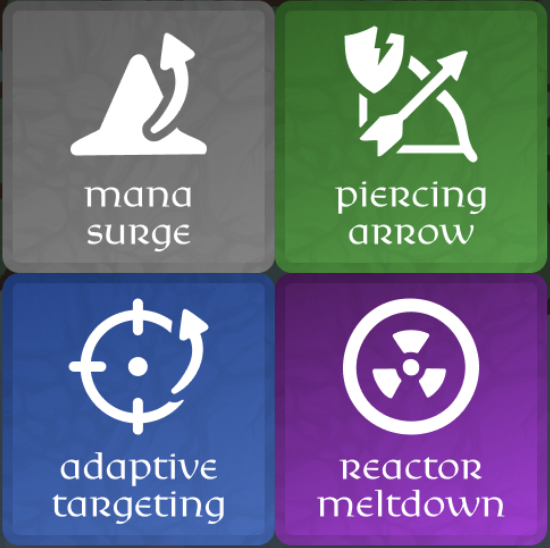
  • Contributed to the Aspects system — modular, order-dependent tower upgrades across three suits (Archer, Mage, Tech)
  • Worked in Godot 4.4 with C#/.NET, picking up the engine from scratch alongside the team
  • Practiced structured production processes with sprints, standups, and retrospectives across a multi-month dev cycle
  • Rarity tiers (Common → Legendary) with tuned drop rates that shift across 20+ rounds of play
The Core Loop

The Core Loop

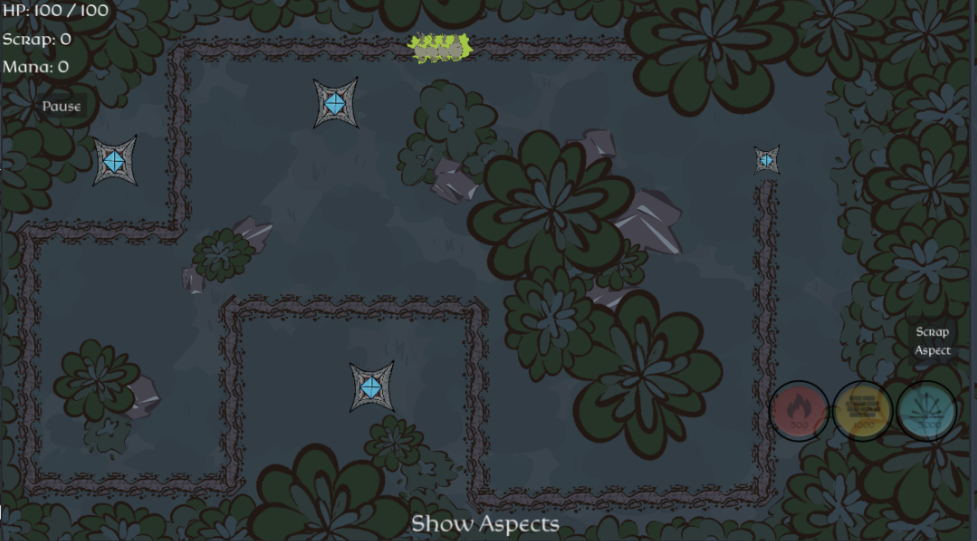
Start an act, choose a path, set up towers, defeat the wave, receive a reward — repeat. Each map starts with limited tower availability and enemies that grow stronger throughout the night. The loop is tight and readable: towers lock onto enemies automatically, projectiles arc through the air, and the screen tells a clear story of cause and effect every round. Between waves, players choose from three new Aspects to slot into their towers, shaping their strategy on the fly.

Towers & the Aspects System

Towers & the Aspects System

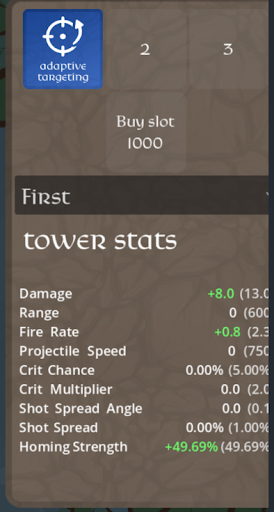
Towers are bundles of automated enchantments that the player upgrades with Aspects. They begin as basic shells — a single projectile doing low damage, at a moderate fire rate, with high accuracy and small range. Aspects can be placed onto and moved between towers, changing their stats for good and for bad. Aspect order matters: for example, if fire rate is 2, applying a ×2 multiplier then a +2 gives you 6 — but reversing the order gives you 8. That ordering depth is the backbone of RESET's strategy.

Aspect Suits

Aspect Suits

Aspects are broken down into suits — similar groupings that bump similar stats and work together. Archer aspects increase range, critical hit, accuracy, and knockback at the cost of fire rate and homing. Mage aspects boost splash, poison, and chain damage but reduce fire rate, damage, and accuracy. Tech aspects push fire rate, homing, and slowdown while sacrificing splash and accuracy. Solo, each suit has a clear identity; mixed together, they unlock the real build diversity.

Aspect Rarity

Aspects come in four rarities — Common, Rare, Epic, and Legendary. Commons almost never multiply values and usually have drawbacks equal to their benefits, but they add to pure values that scale with aspect level. Rares mix additive and multiplicative effects with more significant abilities. Epics lean mostly multiplicative and are consistently strong. Legendaries are game changers that greatly affect tower behaviour no matter when you get them. Drop rates shift as rounds progress — early waves are flooded with Commons, but by round 20+ Legendaries have a 10% chance to appear.

Projectiles & How Aspects Shape Them

Projectiles & How Aspects Shape Them

Every tower fires projectiles, and every projectile inherits its stats from the tower it came from — damage, speed, spread, and any special properties. What makes RESET's projectiles interesting is that Aspects don't just buff numbers; they fundamentally change what a projectile does. Slot in a poison aspect and your shots start applying damage over time on hit. Add piercing and they punch through multiple enemies instead of stopping on contact. Chain damage makes projectiles jump between targets after impact. Homing strength curves shots toward enemies mid-flight. Crit chance and crit multiplier turn any tower into a high-roller. Even spread angle and spread falloff change the feel — a tight gaussian spread plays completely differently from a wide linear scatter. The projectile is where all your Aspect decisions actually come to life on screen.

Abilities

What was difficult about designing abilities was making them feel necessary but not overpowered. They had to feel like an 'oh shit, the world is ending — I need this to save me' moment. All abilities have levels 1–10, scaling in power as they're upgraded.

Production & Lessons Learned

Production & Lessons Learned

We ran structured sprints, standups, and retrospectives throughout the project. The biggest setback was losing a core team member partway through the semester — it cost us roughly two weeks of development on key systems and forced us to redistribute work on the fly. The most salient lesson: when you lose people, you have to be aggressive about recovering. We also learned that engine choice matters enormously — Godot let us move faster than Unity would have, even though we were less comfortable with it starting out. The game shipped with a strong foundation, and the team is continuing development.

2024
JavaScriptTypeScriptHTML/CSSCanvas APIWeb Audio APIMapbox GL JSWebpackES ModulesBulma CSS

Web Development Fun

IGME-330 Coursework · RIT

A collection of interactive web projects built during IGME-330 at RIT — Rich Media Web App Development. Projects covered the Canvas API, Web Audio API, procedural generation, custom map visualisation, and JavaScript module bundling — each one a focused deep-dive into a different corner of the browser platform.

  • Built a custom Audio Visualizer with real-time frequency analysis, EQ controls, and canvas effects
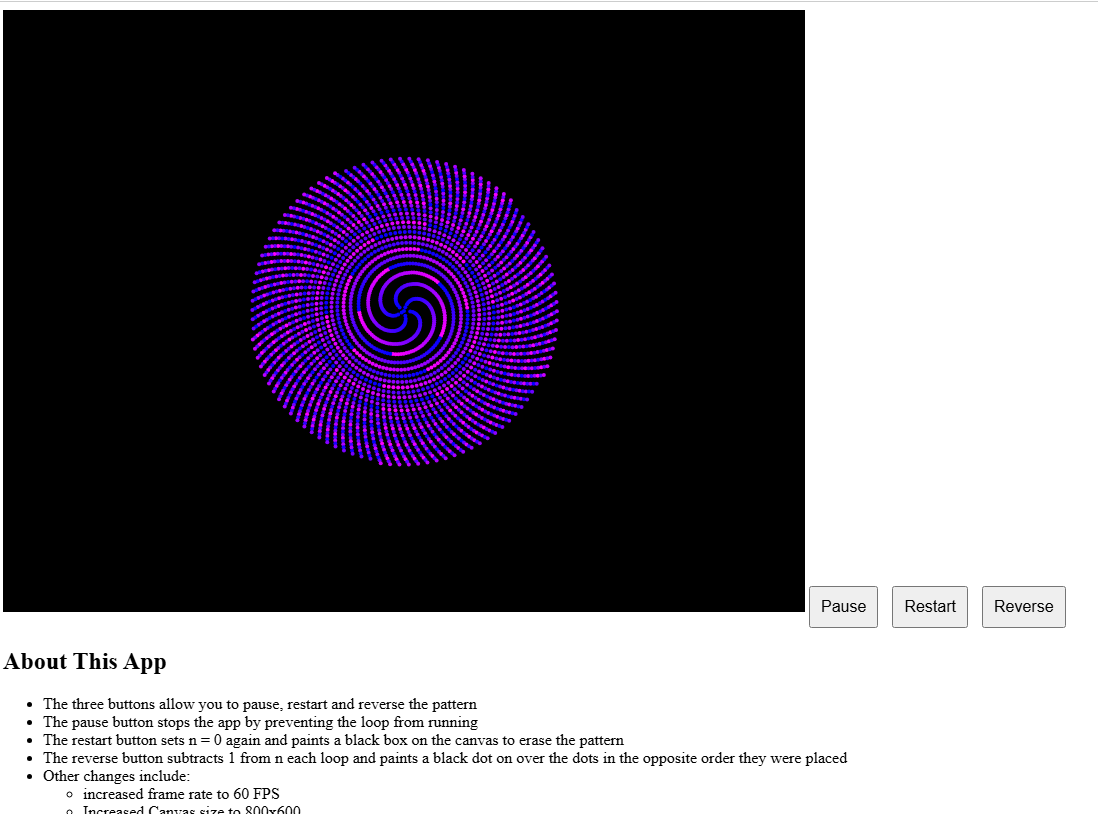
  • Explored procedural generation through Algorithmic Botany — sine waves and phyllotaxis spirals
  • Created an interactive Canvas Screensaver with animated shapes and spraypaint interactions
  • Mapped RIT coffee spots using Mapbox GL JS with custom markers and camera transitions
  • Bundled ES modules with Webpack for a clean, dependency-managed Greeter app
  • Developed a Technobabble generator — random sci-fi text from composed vocabulary sets
Audio Visualizer

Audio Visualizer

The centrepiece of the course. A real-time music visualizer built on the Web Audio API and Canvas API — frequency and waveform modes, bars and circles rendered each frame, image-processing effects like colour inversion and emboss, bass and treble EQ sliders, and full-screen support. The app accepts any local MP3 file alongside a default track, and the whole visual theme was built around Mew and Mewtwo.

Algorithmic Botany

Two procedural generation explorations: the first uses sine waves to grow branching plant-like structures across the canvas; the second applies phyllotaxis — the same mathematical spiral that governs sunflower seeds and pine cones — to scatter dots in controlled, organic patterns. Both were purely canvas-driven with interactive parameter controls.

Canvas Screensaver & JS Canvas

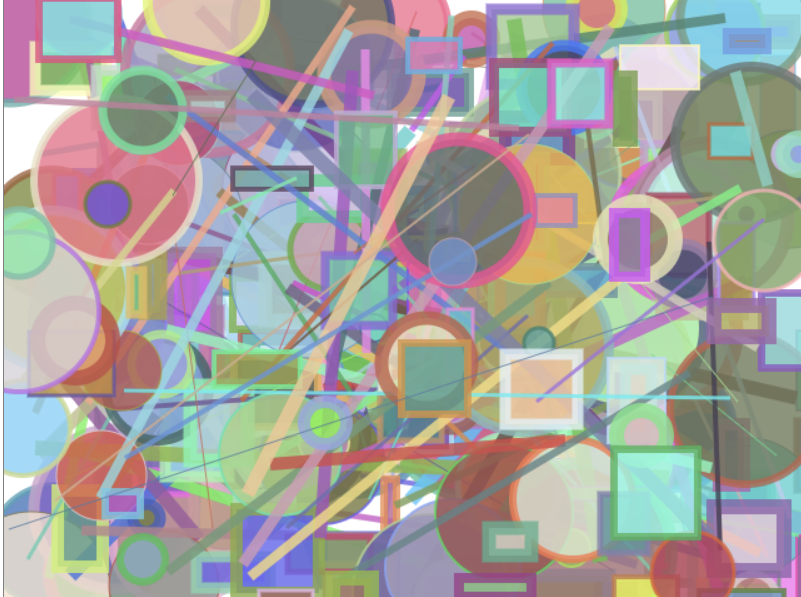
An animated screensaver that continuously draws and composites rectangles, arcs, and lines across the canvas. Play/pause/clear controls let you manage the animation loop, while clicking anywhere in paused mode 'spraypaint' shapes at the cursor — a hands-on exercise in canvas compositing and event-driven interactivity.

RIT Coffee Finder

A Mapbox GL JS project that plots custom markers across the RIT campus for nearby coffee spots. Buttons smoothly transition the camera between preset views — standard overhead, isometric angle, street-level zoom, and a global pullout — demonstrating custom marker data, GeoJSON loading, and programmatic camera control.

Webpack & ES Modules

A Greeter app that demonstrated the full JavaScript module bundling workflow with Webpack. The project separated concerns cleanly across ES modules — greeter logic, UI handling, and entry point — then bundled them into a single optimised output. A practical intro to the build tooling that underpins modern front-end development.

Fall 2024
UnityC#Game Development2DTeam Project

Astro Outlaw

Planet Stage Developer & UI · Team Indiecisive

A space-pirate adventure game built by a six-person team. Players explore alien planets to gather resources and upgrade their ship, then fight through waves of enemies in bullet-hell-style space combat to reach the ultimate treasure.

  • Built planet exploration stages with resource gathering and traversal mechanics
  • Implemented the in-game shop UI and menu flow end-to-end
  • Collaborated across a six-person team (Indiecisive) with consistent sprint cadence
  • Dual-mode gameplay loop: calm planet exploration → frantic bullet-hell combat
  • Created and published an itch.io page and presskit for public release
  • Post-mortem reinforced lessons on scope management and cross-team communication
The Shop System

The Shop System

Between battles, players stop at the ship shop to upgrade weapons, hull plating, and propulsion modules. The shop UI was designed to be scannable mid-session — clear categories, visible stat deltas, and a satisfying purchase flow that rewards smart resource management.

NPC Interactions

NPC Interactions

Friendly NPCs are scattered across planet stages, adding narrative texture to the exploration loop. They range from quest givers to merchants, weaving a loose storyline through the game's otherwise combat-heavy progression.

Enemy Encounters

Enemy Encounters

Waves of hostile ships flood the viewport in escalating difficulty. Each enemy type has distinct movement patterns and attack profiles, forcing players to read the battlefield and adapt their approach with every encounter.

Boss Encounters

Boss Encounters

Later stages introduce larger, more aggressive enemy variants that demand precise positioning and upgraded firepower. These encounters are the natural payoff for the grind — bigger ships, bigger rewards, bigger challenge.

Summer 2025
SvelteKitTypeScriptTailwind CSSStripeDaisyUIViteBrand Design

Perfect Powerlifting

Founder & Developer · Coaching Brand & E-Commerce Platform

A full-stack coaching brand and e-commerce site built to scale a personal powerlifting coaching operation. What started as helping teammates on RIT's powerlifting team grew to coaching 12 athletes simultaneously — demanding a real brand, real infrastructure, and real products. Perfect Powerlifting is the result.

  • Built a Stripe-integrated e-commerce shop selling downloadable training programs
  • Designed the full brand identity — wordmark, emblem, and lettermark in black, white, and gold
  • Google Sheets-backed program delivery on purchase via Stripe webhooks
  • Six programs spanning beginner through advanced powerlifting, bodybuilding, and meet peaking
  • Coached 12 athletes simultaneously — custom programs, meet handling, form review, and diet guidance
  • Athletes added 290 lbs to their total in a year, competed at nationals, and broke personal records
Why Perfect Powerlifting Exists

Why Perfect Powerlifting Exists

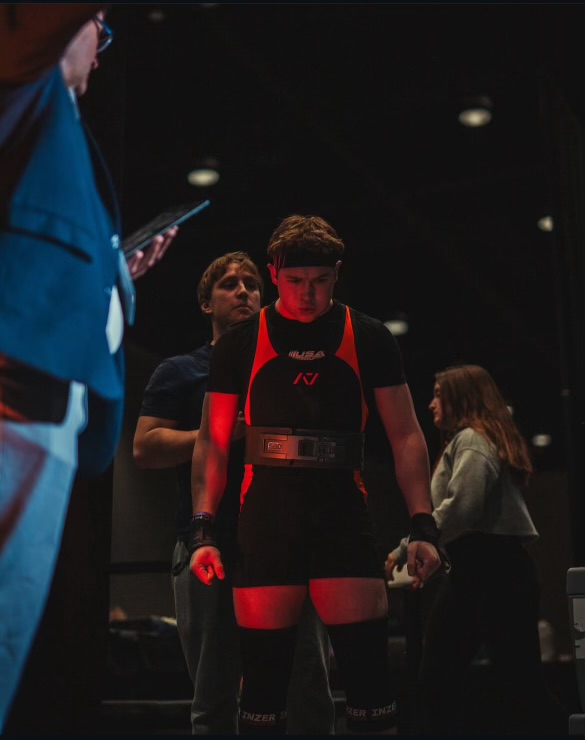
It started simple — I wanted to help my teammates on RIT's powerlifting team. That grew fast. At peak I was coaching 12 athletes at once: writing fully customized programs for each, reviewing lift footage at home and in the gym, constant text updates on form and diet, coaching at meets as a handler, and providing emotional support through the grind. I needed a brand that matched those ambitions, so I built one.

The Shop & Program Delivery

The Shop & Program Delivery

The e-commerce side runs on Stripe with full webhook integration. When a lifter purchases a program, a webhook fires, validates the payment, and delivers a custom Google Sheets training document directly to their inbox. Programs run from $30–$40 and cover beginner through advanced powerlifting, hypertrophy, and meet peaking. The shop is clean, fast, and built to convert.

Coaching Results

Coaching Results

John D. went from a 1235 total to a 1525 — a 290-pound improvement in just over a year, with measurable squat form corrections along the way. Lauren M. added 100 lbs to her total in 16 weeks and competed at nationals in the 60kg Junior Raw class. Chase B. holds a 1282 total and continues to climb. Every program is built around the athlete's equipment, schedule, and goals — no templates, no guesswork.

The Brand

The Brand

Perfect Powerlifting needed a visual identity that felt premium and earned. I built the brand from the ground up — wordmark, emblem, and lettermark, each in black, white, and black-and-gold. The animated logo was designed to open the site with impact. The palette and typography reference the sport's culture of discipline and earned excellence.

2025
UnityC#Game Development2DPrototype

No Signal

Solo Developer · 2D Vertical Climber

A fast-paced vertical climbing game where players race through hazardous, rhythm-synced obstacle courses. Built as a solo prototype exploring tight twitch-based controls, procedural level generation, and satisfying feedback loops.

  • Rhythm-synced obstacle generation tied to an adaptive beat system
  • Tuned twitch-based controls for a snappy, responsive feel
  • Shipped prototype with integrated leaderboard and replay system
  • Polished particle effects and screen-shake feedback layers
Rhythm-Synced Obstacles

Rhythm-Synced Obstacles

The core mechanic: obstacle patterns are generated in lockstep with an adaptive beat system. As the track shifts tempo, so do the platforms and hazards — creating a visceral connection between what you hear and what you dodge.

Procedural Level Design

Procedural Level Design

No two vertical climbs feel the same. The generator weighs difficulty, spacing, and obstacle variety to produce runs that escalate naturally. The result is a game that stays fresh and replayable across dozens of attempts.

Polish & Feedback

Particle bursts on impact, screen shake on near-misses, crisp audio cues on combo streaks. The prototype is a study in how small, well-timed feedback moments compound into a game that feels genuinely alive.